

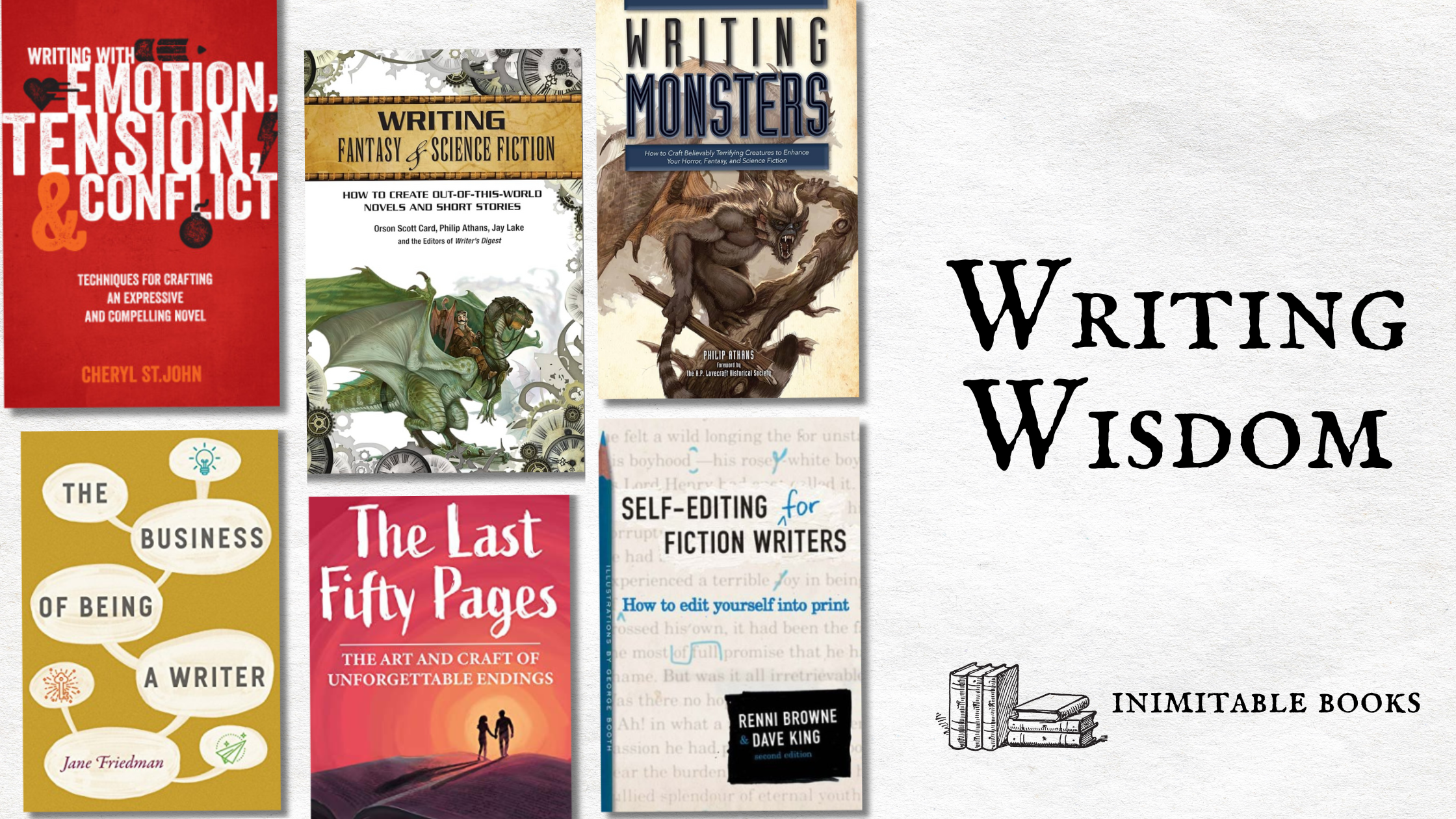
Our founder Zara Hoffman doesn’t often read non-fiction. But when fae does, it’s normally something about the craft of writing, the business of writing, or business advice. Here are some recommendations that mostly fall into the third category, but one book spans the latter two categories. The titles on this list are in a random order.
*all buy links are affiliate
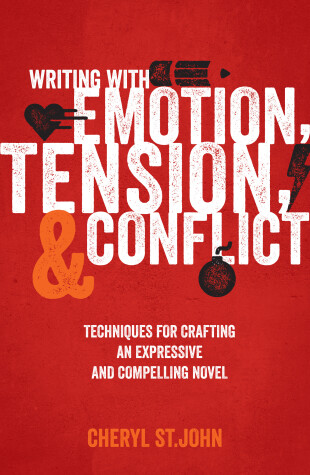
Craft an Emotionally Charged Story That Will Resonate with Readers
Emotional impact shouldn’t be dropped into your novel as an afterthought or forced upon your story with a pair of pliers and an iron grip. It should be carefully sewn into the fabric of the story to create tension-filled moments that will keep readers turning pages. In Writing with Emotion, Tension, & Conflict, you’ll learn how to layer emotional moments and deep connections to create a tapestry filled with conflict, pathos, and genuine feeling.
• Create emotional depth, conflict, and tension in your novel by carefully crafting your plot, characters, setting, word choice, and more.
• Learn what makes readers “tick”–and what will elicit the strongest emotional responses.
• Write believable, emotional scenes and dialogue–and trim away the sappiness.
When writing a novel, your ultimate goal is to make readers smile, weep, rage, and laugh right along with your characters. Writing with Emotion, Tension, & Conflict will show you how to evoke a multitude of feelings in your readers–and keep them coming back for more.
We were a little late to the game on this book, but it’s a great reference book for writers who worry the emotional stakes of their books or the emotional state of their characters are falling flat.
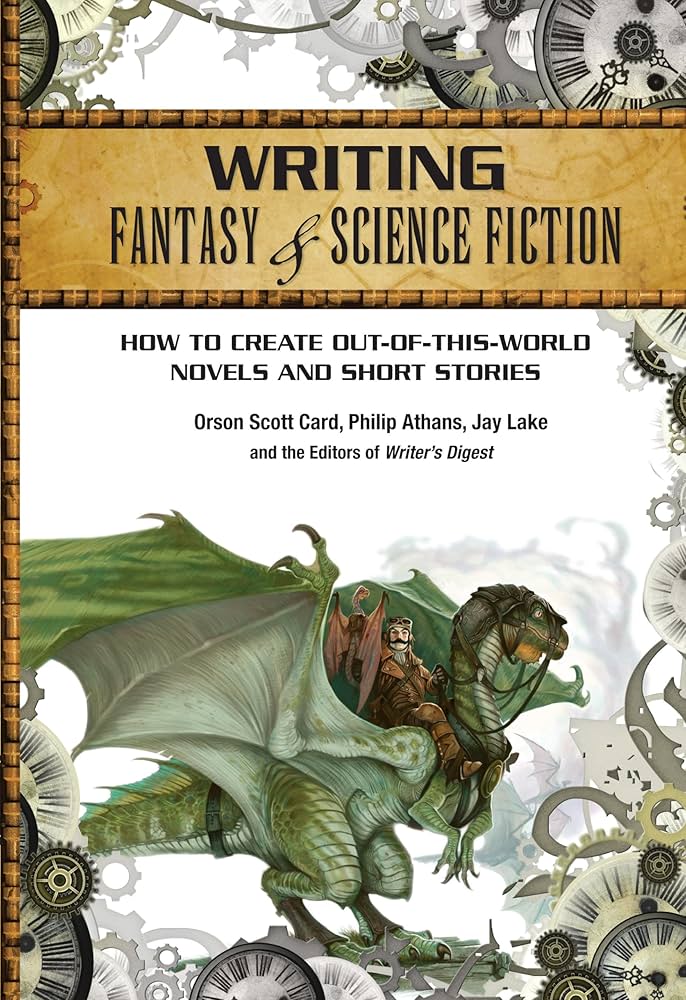
Do you envision celestial cities in distant, fantastic worlds? Do you dream of mythical beasts and gallant quests in exotic kingdoms? If you have ever wanted to write the next great fantasy or science fiction story, this all-in-one comprehensive book will show you how. Writing Fantasy & Science Fiction is full of advice from master authors offering definitive instructions on world building, character creation, and storytelling in the many styles and possibilities available to writers of speculative fiction.
Combining two Writer’s Digest classics, Orson Scott Card’s How to Write Science Fiction & Fantasy and The Writer’s Complete Fantasy Reference, along with two new selections from award-winning science fiction and fantasy authors Philip Athans and Jay Lake, this new book provides the best of all worlds. You’ll discover:
—How to build, populate, and dramatize fantastic new worlds.
—How to develop dynamic and meaningful themes that will expand the cannon of sci-fi and fantasy storytelling.
—Exciting subgenres such as steampunk, as well as new developments in the sci-fi and fantasy genres.
—How to imbue your tales with historically accurate information about world cultures, legends, folklore, and religions.
—Detailed descriptions of magic rituals, fantastic weapons of war, clothing and armor, and otherworldly beasts such as orcs, giants, elves, and more.
—How societies, villages, and castles were constructed and operate on a day-to-day basis.
—Astounding methods of interstellar travel, the rules of starflight, and the realities and myths of scientific exploration.
—How to generate new ideas and graft them to the most popular themes and plot devices in sci-fi and fantasy writing.
The boundaries of your imagination are infinite, but to create credible and thrilling fiction, you must ground your stories in rules, facts, and accurate ideas. Writing Fantasy & Science Fiction will guide you through the complex and compelling universe of fantasy and science fiction writing and help you unleash your stories on the next generation of readers and fans.
We’ve talked before how much we love fantasy, and this book was a great resource early in our founder, Zara Hoffman’s, writing career. Since reading it, fae did learn that Orson Scott Card, author of Ender’s Game, was incredibly prejudiced, so fae did debate on including this on the list. But you can make your own decision on whether you’ll buy this book. You can also always skip his contribution, if you like.
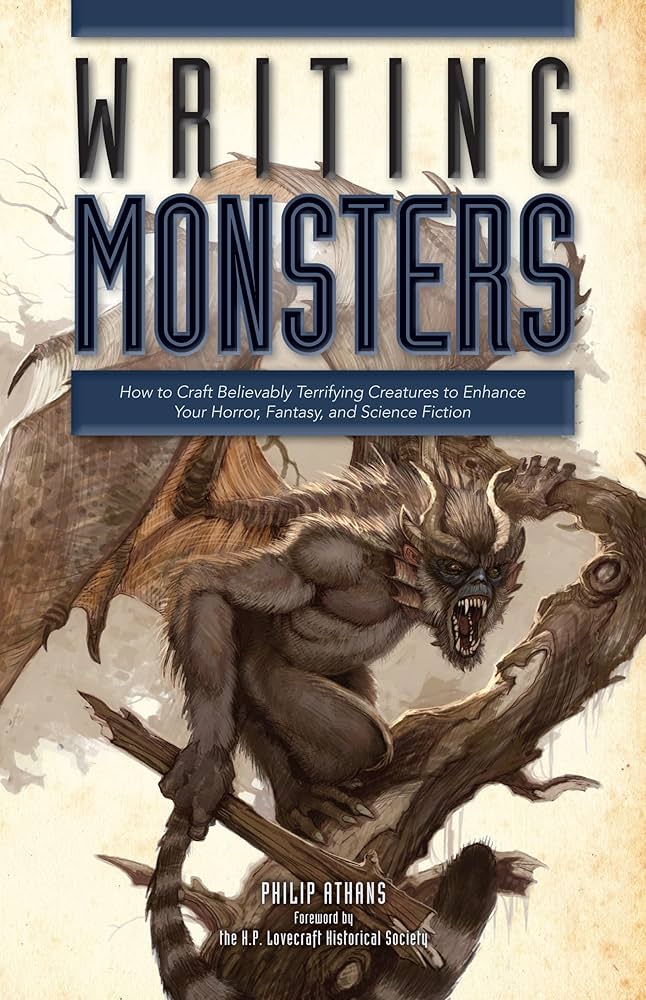
Monsters are more than things that go bump in the night…
Monsters are lurking in the woods, beneath the waves, and within our favorite books, films, and games–and there are good reasons why they appear so often. Monsters are manifestations of our fears and symbols of our society–not to mention they’re a lot of fun–but each should serve a purpose and enhance the themes and tension in your fiction.
In Writing Monsters, best-selling author Philip Athans uses classic examples from books, films, and the world around us to explore what makes monsters memorable–and terrifying. You’ll learn what monsters can (and should) represent in your story and how to create monsters from the ground up.
Writing Monsters includes:
• In-depth discussions of where monsters come from, what they symbolize, and how to best portray them in fiction
• Informative overviews of famous monsters, archetypes, and legendary creatures
• A Monster Creation Form to help you create your monster from scratch
• An annotated version of H.P. Lovecraft’s chilling story “The Unnamable”
Whether you write fantasy, science fiction, or horror, your vampires, ghouls, aliens, and trolls need to be both compelling and meaningful. With Writing Monsters, you can craft creatures that will wreak havoc in your stories and haunt your readers’ imaginations–and nightmares.
Though Zara has yet to write any dragons into a book, they—and other creatures—are staples of the fantasy genre. If you want some dragons, we suggest The Storm Gathers by Maelan Holladay (and then preordering book 2, The Shadow Rises, which comes out later this year and features the majestic creature even more). And non-humanoid characters/species can also appear in the horror and sci-fi genres as well. So, whatever you’re looking for, fae believes you’ll find something of value in this book.
The definitive guide to crafting a series!
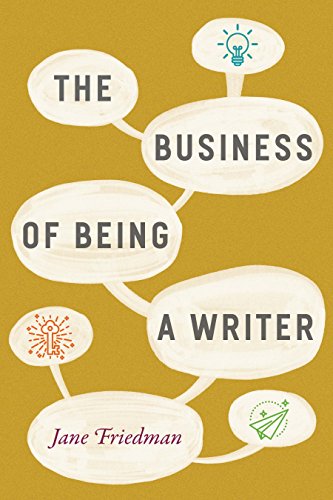
Writers talk about their work in many ways: as an art, as a calling, as a lifestyle. Too often missing from these conversations is the fact that writing is also a business. The reality is, those who want to make a full- or part-time job out of writing are going to have a more positive and productive career if they understand the basic business principles underlying the industry.The Business of Being a Writer offers the business education writers need but so rarely receive. It is meant for early-career writers looking to develop a realistic set of expectations about making money from their work or for working writers who want a better understanding of the industry. Writers will gain a comprehensive picture of how the publishing world works–from queries and agents to blogging and advertising–and will learn how they can best position themselves for success over the long term.
Jane Friedman has more than twenty years of experience in the publishing industry, with an emphasis on digital media strategy for authors and publishers. She is encouraging without sugarcoating, blending years of research with practical advice that will help writers market themselves and maximize their writing-related income. It will leave them empowered, confident, and ready to turn their craft into a career.
Zara really enjoyed this book when fae read it (back when there was only the first edition out, reflected in the cover and bibliographic data included in this blog post). There are so many writing craft books, that this one caught fae’s eye. And it didn’t disappoint.
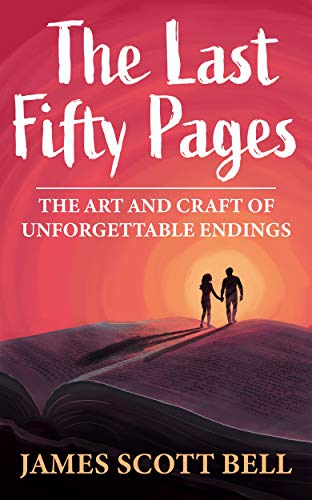
“The first page of a book sells that book. The last page sells your next book.” –– Mickey Spillane
What are the secrets for writing a great ending for your novel? How do you leave readers so satisfied that they’ll want another book by you—right now? What tools and techniques can shape your last fifty pages into a powerful, unforgettable experience?
In this book, International Thriller Writers Award winner and #1 bestselling writing teacher James Scott Bell reveals:
• The five types of endings.
• What needs to happen in Act 3.
• How to use the Ah and Uh-Oh emotional wallops.
• A simple technique for crafting twist endings.
• The most important secret of all—resonance.
• The Stew, Brew, Accrue, Do brainstorming method.
• The best way to tie up loose ends.
• The most common ending mistakes, and how to avoid them.
And more. Read this book and you will come away with a thorough knowledge of why great endings work and how to create them for every novel you write.
There always seems to be a lot of emphasis on the start of a novel (rightfully so since agents and publishers might never see the end of your book if they don’t like the beginning), but a writer should remember that finishing a novel is just as important.
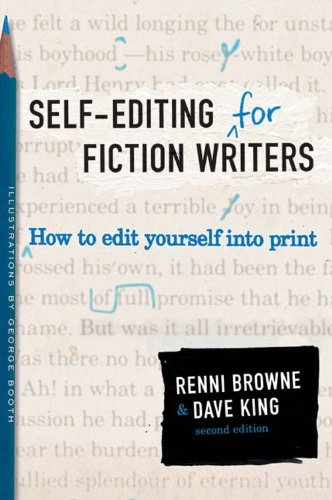
Hundreds of books have been written on the art of writing. Here at last is a book by two professional editors to teach writers the techniques of the editing trade that turn promising manuscripts into published novels and short stories.
In this completely revised and updated second edition, Renni Browne and Dave King teach you, the writer, how to apply the editing techniques they have developed to your own work. Chapters on dialogue, exposition, point of view, interior monologue, and other techniques take you through the same processes an expert editor would go through to perfect your manuscript. Each point is illustrated with examples, many drawn from the hundreds of books Browne and King have edited.
Zara has had both good and bad experiences with freelance editors when self-publishing faer’s own novels, and fae isn’t perfect—though fae tries—when editing Inimitable Books titles. But no matter how many rounds of edits a book goes through, our founder recommends authors learn how to self-edit themselves before (and in between) rounds of reader (and editor) feedback.
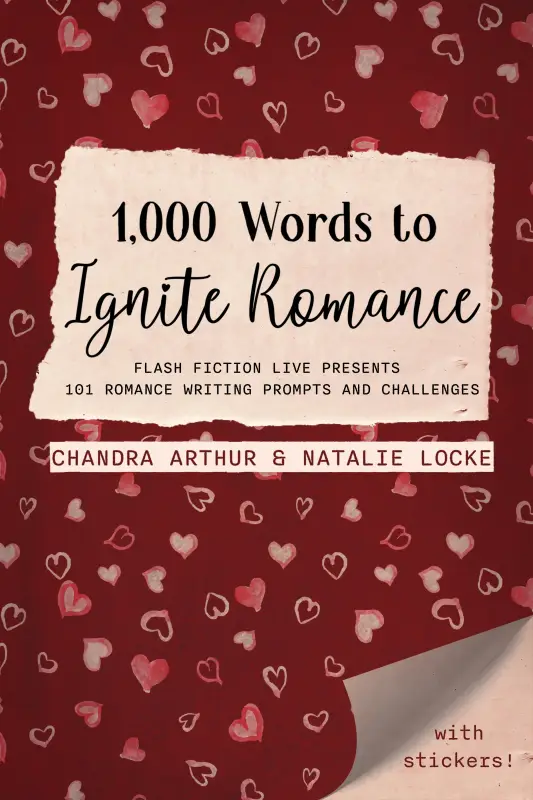
Is your favorite writing book on this list? Share what you love about your pick. If not, let us know what it is in the comments.

1 Comment
Ozzie Cronin
you are in reality a just right webmaster The site loading velocity is incredible It seems that you are doing any unique trick In addition The contents are masterwork you have performed a wonderful task on this topic