

Our founder Zara Hoffman doesn’t often read non-fiction. But when fae does, it’s normally something about the craft of writing, the business of writing, or business advice. Here are some recommendations that fall in the first category. Unlike our other reading lists, the titles on this list are in a random order.
*all buy links are affiliate
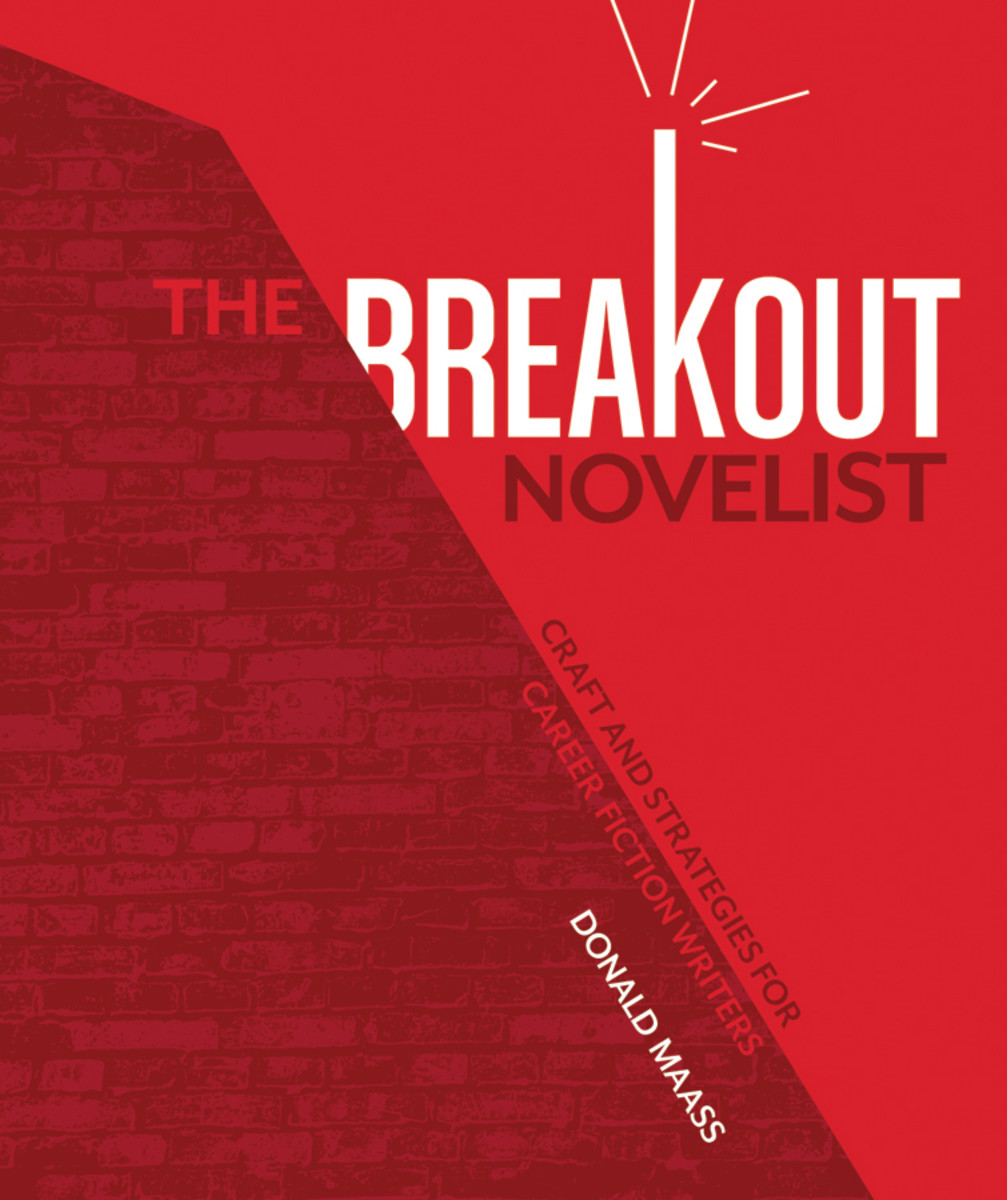
The all-inclusive guide for novel writers If you’re serious about making your fiction vibrant, engaging, and marketable, you’ve found the right book. The Breakout Novelist gives you the craft and business know-how you need to make your book stand out.
Inside, veteran agent Donald Maass brings together the most innovative and practical information from his workshops and previous books to lead you through every aspect of setting your novel apart from the rest. Maass shares examples from contemporary writers across all genres to equip you with the strategies great writers use to craft great fiction – from core fiction-writing elements like character, setting, description, and plot, to more advanced techniques including point of view, voice, and suspense.
Plus, you’ll find over 70 practical exercises to help you move your writing from blah to breakout. You’ll also learn from Maass’ experiences over more than three decades in the publishing industry. Get straight talk from an insider about agents, contracts, how the industry is changing, and how to be the kind of author who builds a successful career book after book. Get the best of Maass’ expertise and instruction in one easy-to-use reference.
This is a great book from an industry professional, as Maass founded the Donald Maass Literary Agency in 1980.
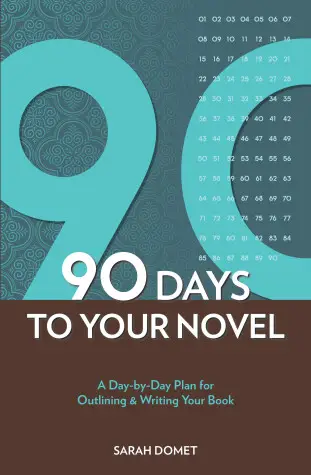
Got 90 Days? Then You Can Be a Novelist…
Many famous authors write their novels in a matter of weeks. William Faulkner wrote As I Lay Dying in six weeks. Joyce Carol Oates often cranks out two or three books a year. Stephen King believes first drafts should take no more than three months to complete. So, what’s the trick? Novel writing isn’t about inspiration. It’s about the time, energy, and discipline to see the project to its finish.
With The 90-Day Novel at your side, now is the time. This inspiring guide will be your push, your deadline, and your spark to finally, without excuses, and in three short months, nail that first draft of your novel.
The difference between wanna-be writers and real writers is the difference between talk and work. If you commit to the schedule and the techniques within The 90-Day Novel and invest two to three hours a day for twelve weeks, you will complete your book. An outline will appear. Characters will take shape. A plot will emerge. Scenes will come together and form a story worth reading. And then the talking can begin!
This was a great resource for our founder Zara when fae was trying to be more effective in drafting stories while also juggling school. While fae doesn’t follow it to the letter anymore, it was a great exercise and has some very good takeaways.
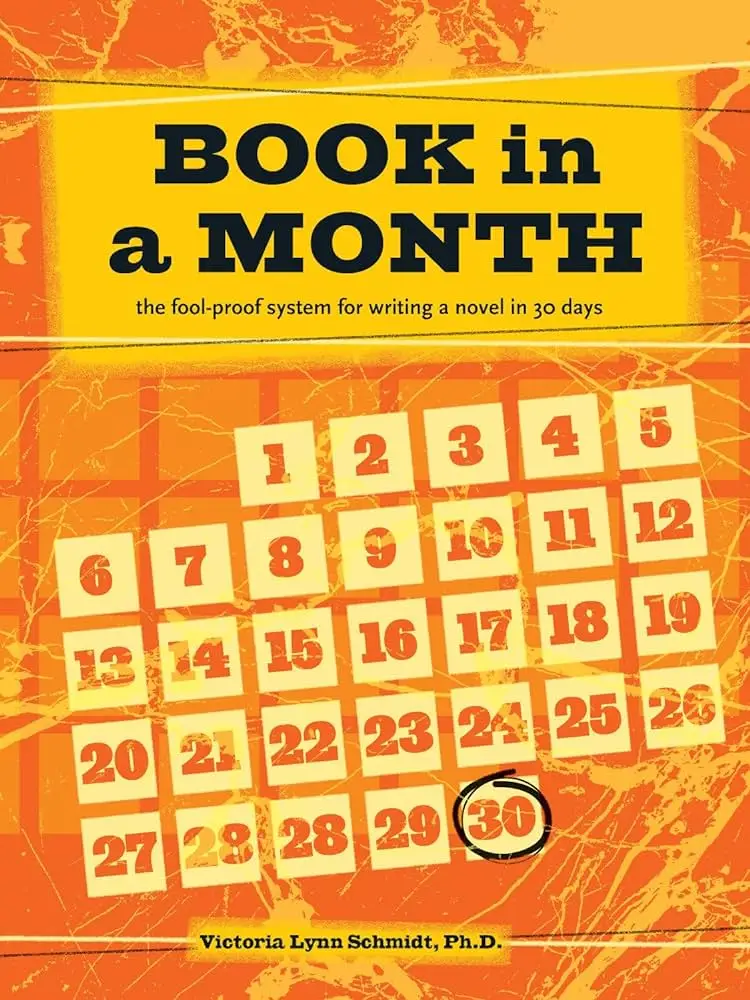
What Can You Accomplish in 30 Days?
If you make time to write and put away all of your excuses, could you stay on track and finish your novel in only a month? With a structured plan and a focused goal, yes, you can!
Using a combination of flexible weekly schedules, focused instruction, and detailed worksheets, author Victoria Schmidt leads you through a proven 30-day novel-writing system without the intimidation factor. Book in a Month shows you how to:
•Set realistic goals and monitor your progress
•Manage your time so that your writing life has room to flourish
•Select a story topic that will continue to inspire you throughout the writing process
•Quickly outline your entire story so that you have a clear idea of how your plot and characters are going to develop before you start writing
•Draft each act of your story by focusing on specific turning points
•Keep track of the areas you want to revise without losing your momentum in the middle of your story
•Relax and have fun-you are, after all, doing something you love
So what are you waiting for? If you’ve been putting off your book project, let Book in a Month be your guide and find out just how much you can accomplish.
Like the previous book in this list, Zara found the time-based system of writing a novel very helpful in crafting fae’s own method for writing novels. It was especially helpful in preparing for that annual writing challenge that has since fallen from grace.
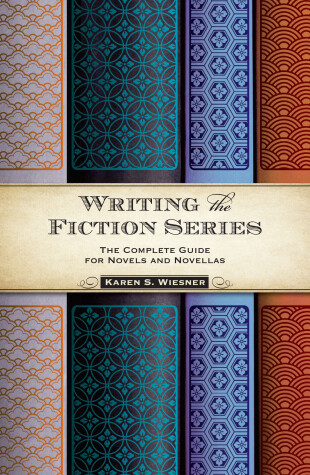
The definitive guide to crafting a series!
From the Hunger Games Trilogy to the Jack Reacher Series, from Harry Potter to Harry Dresden, there’s no denying that writers–and readers–have caught series fever. But if you’re contemplating writing a series, there are plenty of considerations you’ll need to make first. Writing the Fiction Series is the complete guide to ensuring your series stays hot after the first, fourth, or even fifteenth book.
Inside, you’ll learn how to:
• Write a series that captures the hearts of readers and stands out in a sea of competition.
• Find the focus of your series, develop your idea, and plan ahead.
• Hone in on the two most important aspects of series writing: characters and consistency.
• Utilize a variety of series organization techniques, complete with downloadable worksheets and checklists.
• Market your series effectively and increase your sales.
With insights from nearly 100 series authors and publishers, as well as Grow Your Series Muscles” exercises, Writing the Fiction Series is the only book you’ll need to write a series that sizzles.
Also available: the companion tutorial from Writer’s Digest Tutorials, Writing the Fiction Series: http://tutorials.writersdigest.com/
Zara swears by this book, and recommends it at almost every opportunity. However, it is not available on Bookshop, but you can still buy it from the other giant online bookstore.
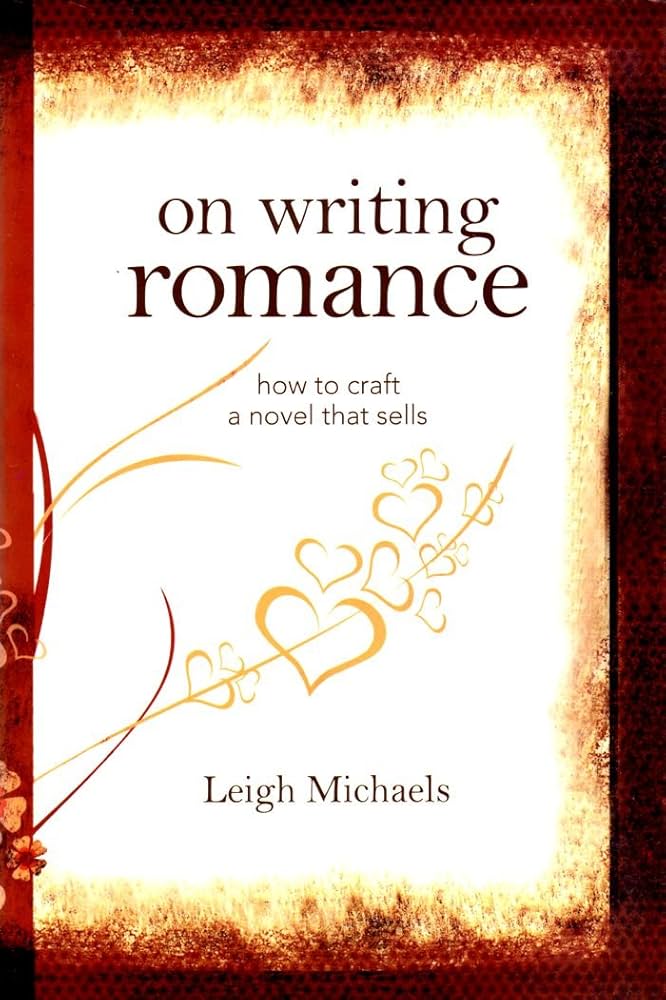
Sweep Readers Off Their Feet With a Romance They’ll Never Forget
In On Writing Romance, award-winning romance novelist Leigh Michaels talks you through each stage of the writing and publishing process. From the origins and evolution of the romance novel to establishing a vital story framework to writing that last line to seeking out appropriate publishers, everything you ever wanted to know about writing a romance novel is here.
In addition to a comprehensive breakdown of more than thirty romance subgenres, including such categories as historical, inspirational, Regency, and sweet traditional, you’ll discover how to:
Steer clear of cliches and stereotypes by studying the genre
Craft engaging and realistic heroes and heroines readers will adore
Convincingly develop the central couple’s blossoming relationship
Add conflict by utilizing essential secondary characters like the “other woman”
Use tension and timing to make your love scenes sizzle with sensuality
Get your characters to happily-ever-after with an ending readers will always remember
Plus, read a sample query letter, cover letter, and synopsis, and learn how to properly prepare you romance novel for submission to agents and editors. On Writing Romance has everything you need to leave readers swooning!
For people just starting out in the romance genre, Zara recommends this book over Romancing the Beat (which is a great book but assumes one knows the genre expectations and general structure of a Romance novel). However, it is not available on Bookshop, but you can still buy it from the other giant online bookstore.
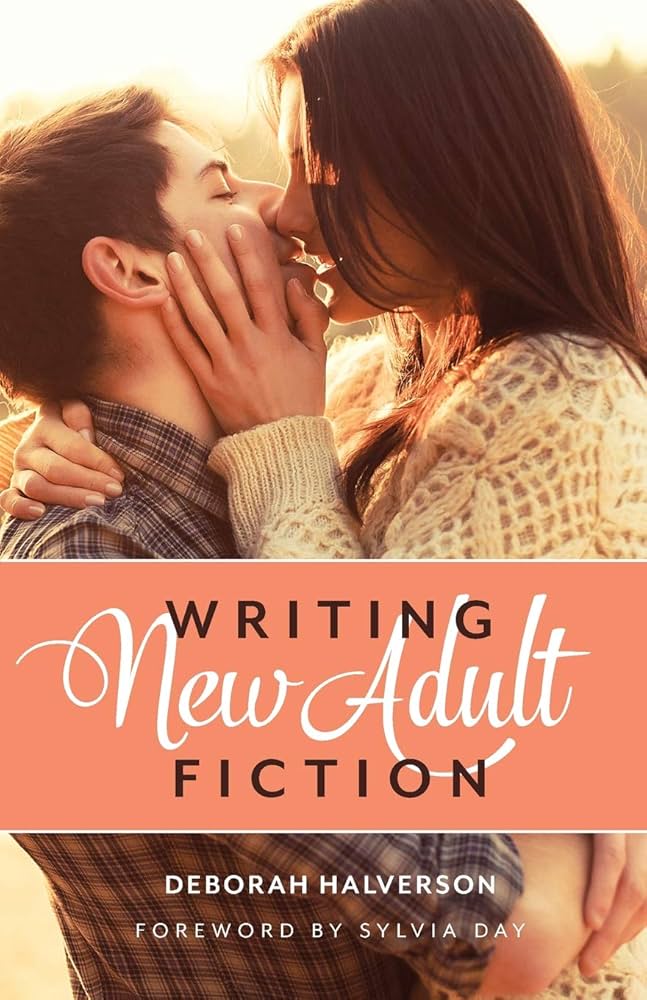
Writing the New Adult Novel is the first book of its kind – an instructional guide on writing “New Adult” novels. In 2012, over 14,000 titles were specified as “New Adult” on Goodreads – and that number only continues to grow. The popularity of NA novels continues to grow and writers must approach the elements of storytelling in a completely different mindset. Join Deborah Halverson to learn the essential information, steps, and techniques to draw in the crossover audience.
Zara picked up this book when New Adult was much newer and unknown in the publishing space than it is now. Of course, traditional publishing still doesn’t give it the space it deserves, but that’s due to physical bookstores (especially Barnes and Noble) not giving it its own shelf, which then works its way back up the production line all the way to editors and marketers who can’t really call a book “New Adult” because it causes shelving confusion. (This knowledge is not hearsay but straight from a publishing marketing professional that Zara had as a professor at NYU’s Masters in Publishing program).
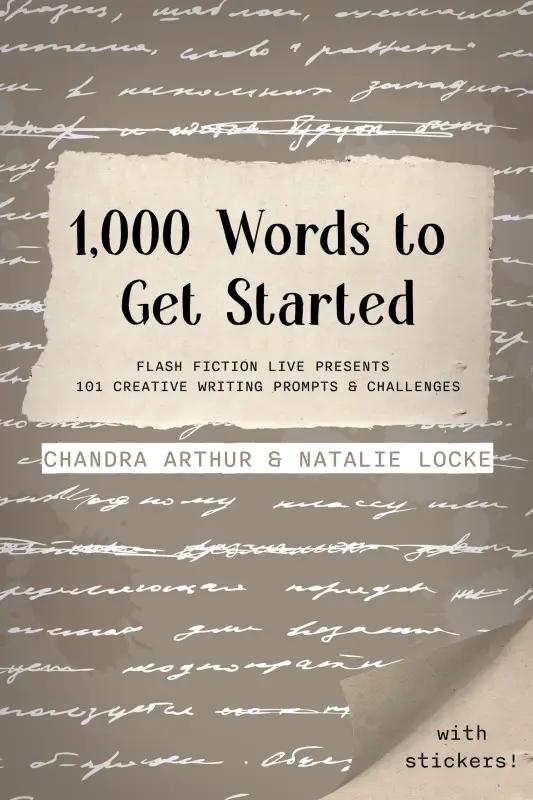
Is your favorite writing book on this list? Share what you love about your pick. If not, let us know what it is in the comments.
