

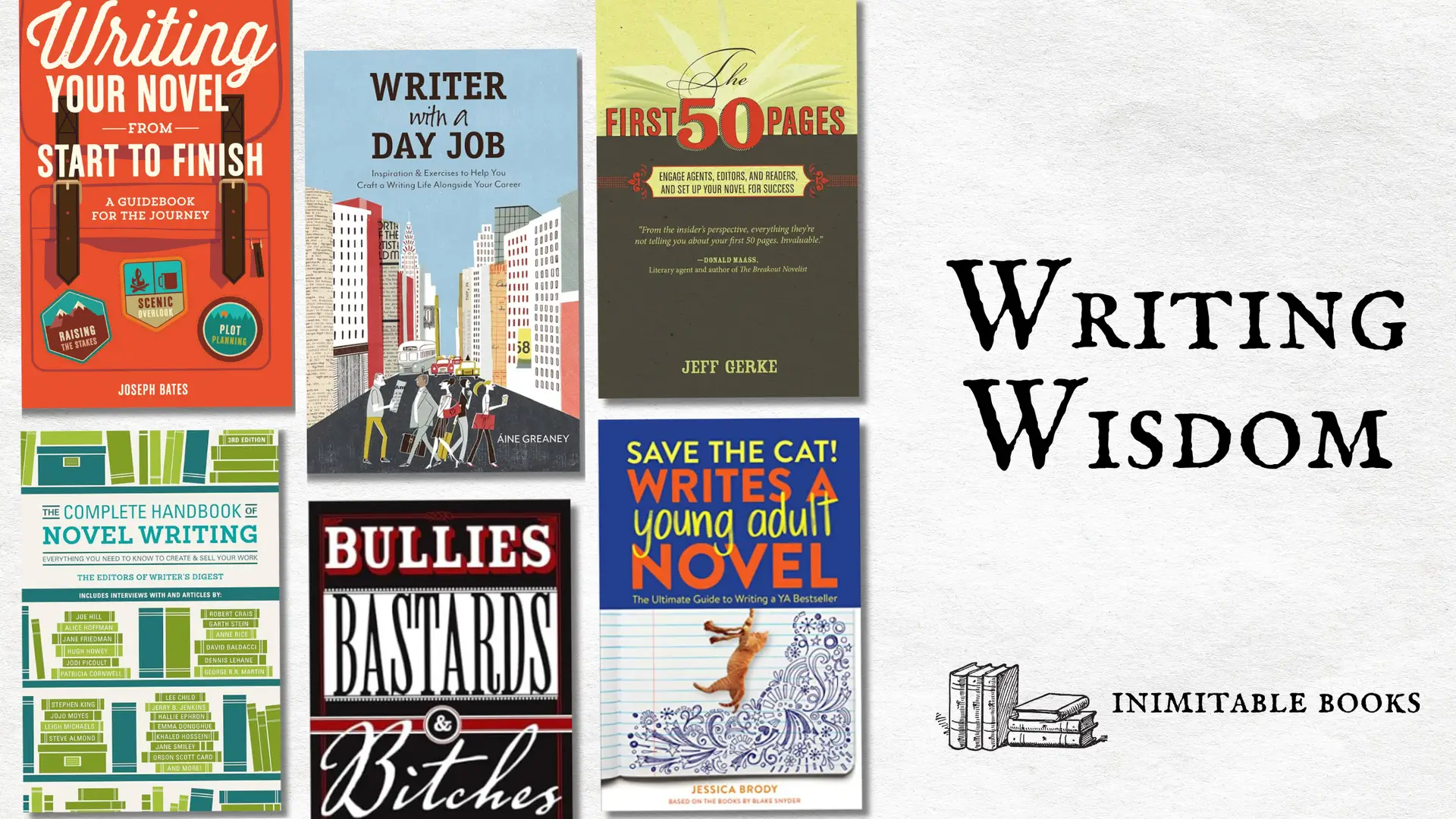
Our founder Zara Hoffman doesn’t often read non-fiction. But when fae does, it’s normally something about the craft of writing, the business of writing, or business advice. Here are some recommendations that fall in the first category. Unlike our other reading lists, the titles on this list are in a random order.
*all buy links are affiliate
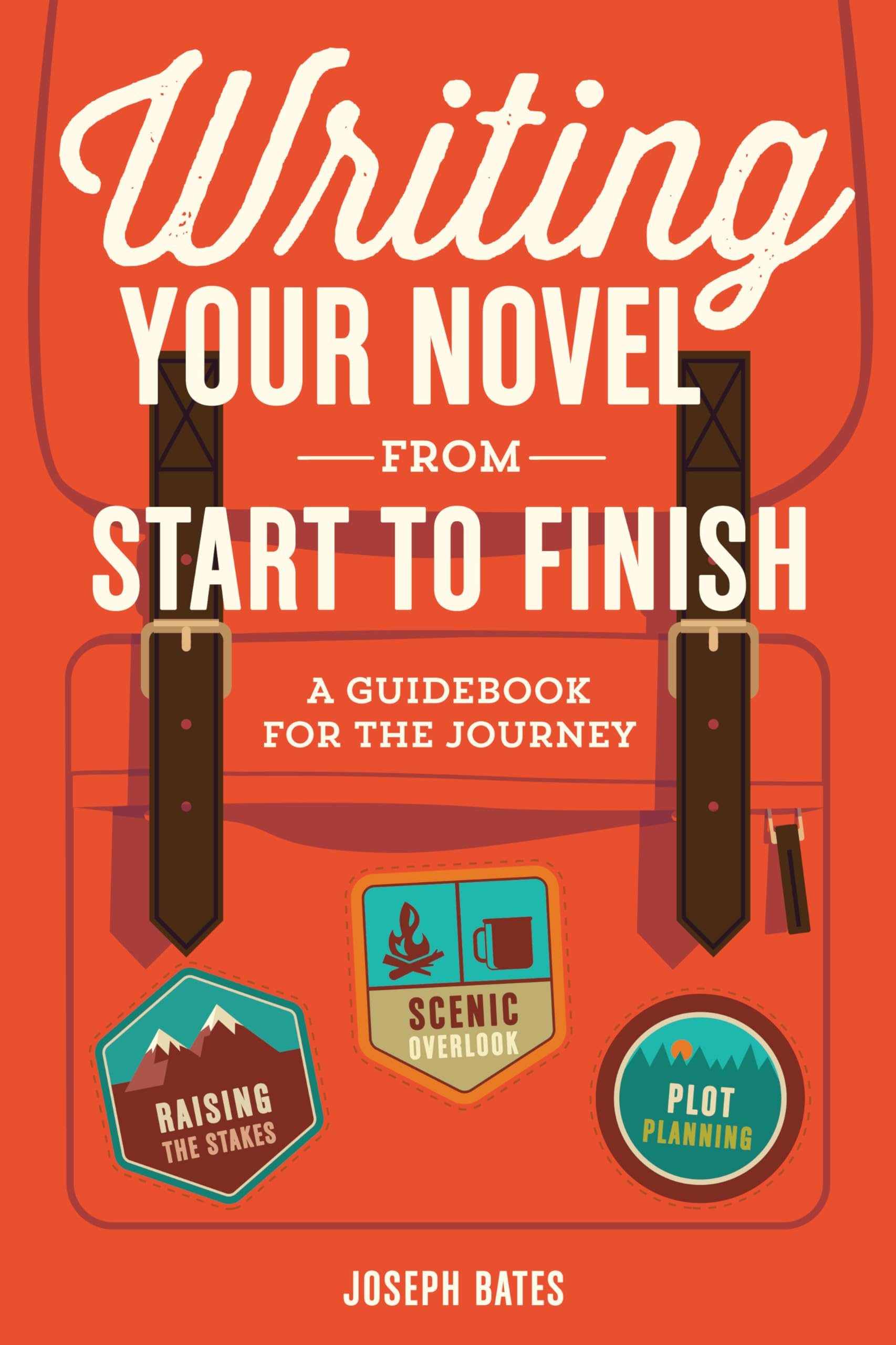
Equip yourself for the novel-writing journey!
Starting a novel is exciting, but finishing it—that’s the real challenge. The journey from beginning to end is rife with forks in the road and dead ends that lead many writers off course. With Writing Your Novel from Start to Finish: A Guidebook for the Journey, you’ll navigate the intricacies of crafting a complex work of fiction and complete the journey with confidence and precision.
To maximize your creativity and forward momentum, each chapter offers:
•Techniques to break down the elements of the novel—from character-building to plotting and pacing
•Mile Markers to anticipate and overcome roadblocks like ineffective dialogue and “the unchanged protagonist”
•Guidelines for Going Deeper to explore and implement more nuanced aspects of storytelling, such as finding your voice and the role of theme
•Try-It-Out Exercises and 27 interactive worksheets that help elevate your writing.
No matter your level of experience or where you are in your project, Writing Your Novel from Start to Finish provides the instruction, inspiration, and guidance you need to complete your journey successfully.
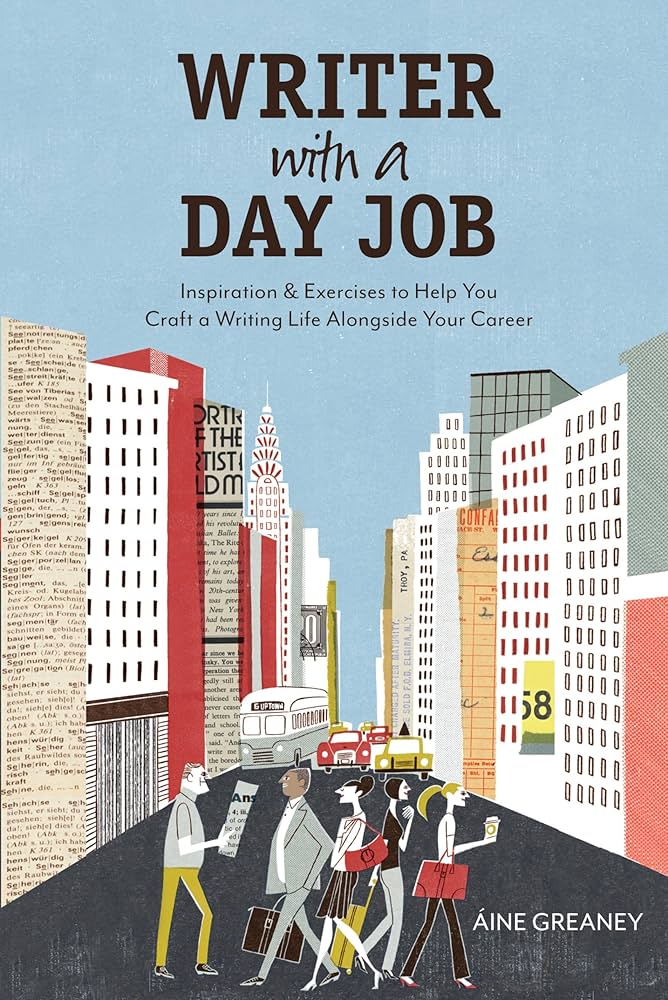
Don’t let the daily grind drain your creative energy!
You can work full time and still have a productive writing life. Many writers waste time waiting for the day they can finally quit their day jobs and live the so-called writing dream. Don’t wait. You can do both—and your writing will be the better for it.
Balancing a full-time job and a productive writing life is no easy feat! This book offers writers advice, skill-building techniques, prompts, and exercises in every chapter, and strategies on how to get and keep writing while also working the 9 to 5 grind.
Readers will discover tips and exercises for:
• Setting and protecting personal writing goals
• Creating a schedule that complements their stamina
• Getting creative before and after work – and on their lunch hour
• Finding inspiration in the most unlikely of spots and at the most impromptu of times
• Writing proficiently in multiple forms (long and short) so that they don’t get bogged down writing one long project
• Becoming an active participant in writing communities so they have a solid support system at the ready
• Figuring out how (if at all) to share their writing life with co-workers, friends, and family members
You”ll also get quick, practical tutorials to help you master scenes, point of view, characters, settings, dialogue, and more.
Writer With a Day Job gives you the strategies and motivation you need to work 40 hours a week (or more!) and achieve writing success.
As a someone who was always juggling creative writing with school and now running a publishing company, our founder Zara found this book very helpful in time management.
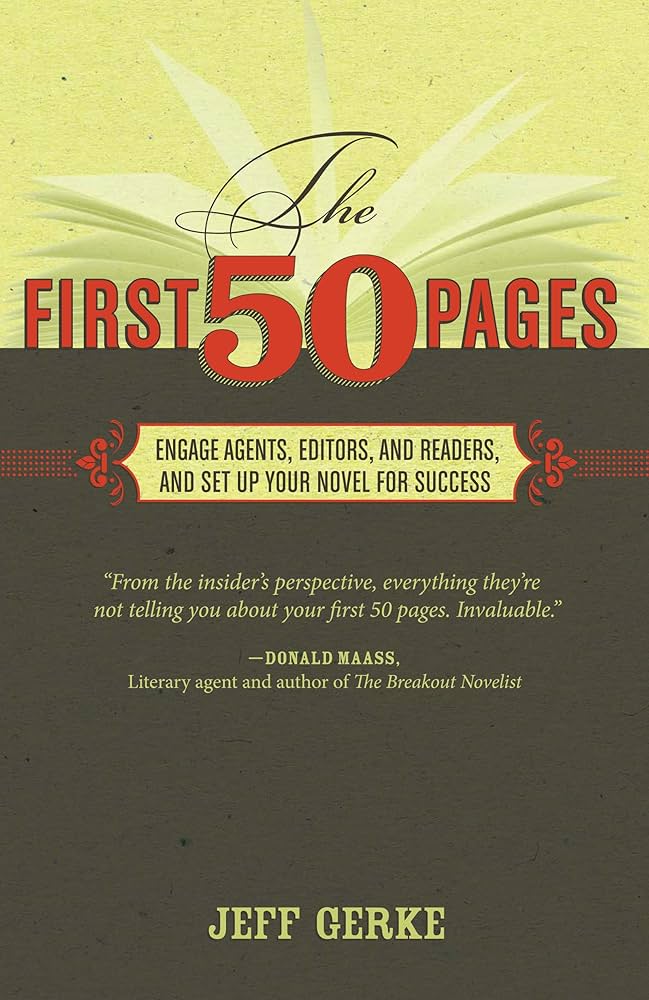
Seeking writing success? Start at the beginning…
Whether you’re looking to get published or just hoping to hook your reader, first impressions are vital. Compelling opening scenes are the key to catching an agent or editor’s attention, and are crucial for keeping your reader engaged.
As a writer, what you do in your opening pages, and how you do it, is a matter that cannot be left to chance. The First 50 Pages is here to help you craft a strong beginning right from the start. You’ll learn how
• introduce your main character
• establish your story world
• set up the plot’s conflict
• begin your hero’s inner journey
• write an amazing opening line and terrific first page
• and more
This helpful guide walks you through the tasks your first 50 pages must accomplish in order to avoid leaving readers disoriented, frustrated, or bored. Don’t let your reader put your book down before ever seeing its beauty. Let The First 50 Pages show you how to begin your novel with the skill and intentionality that will land you a book deal, and keep readers’ eyes glued to the page.
Though our founder Zara Hoffman eventually decided to self-publish faer’s novels, fae spent multiple years (2008-2012) researching traditional publishing. This was one of the books fae found most helpful during that exploration.
Get advice from the best in the business on every stage of the novel-writing and publishing process!
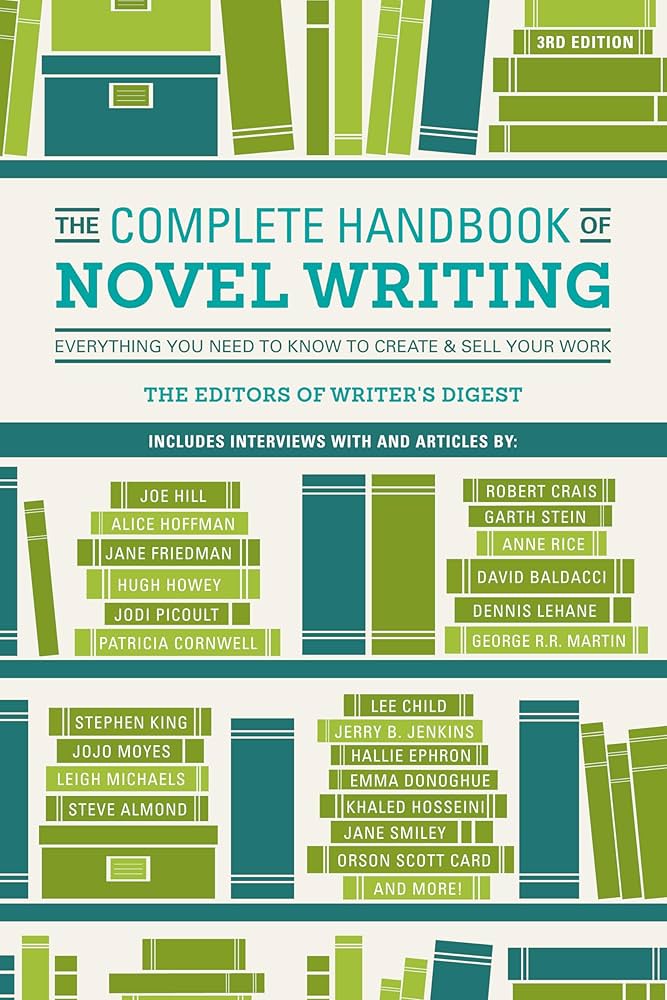
In The Complete Handbook of Novel Writing, 3rd Edition, you’ll learn from established writers about how to make your novel a reality. Discover techniques and strategies for generating ideas, connecting with readers emotionally, and finding inspiration you need to finish your work. This fully revised edition includes an updated marketing section for navigating the unique challenges and possibilities of the evolving literary marketplace.
Inside you’ll find new essays from dozens of best-selling authors and publishing professionals detailing how to:
•Master the elements of fiction, from plot and character to dialogue and point of view
•Develop a unique voice and sensibility in your writing
•Manage the practical aspects of writing, from overcoming writer’s block to revising your work
•Determine the key elements for success in every genre
•Find an agent, market your work, and get published—or self-publish—successfully
You’ll also find interviews with some of the world’s finest and most popular writers, including David Baldacci, Lee Child, Robert Crais, Khaled Hosseini, Hugh Howey, Stephen King, Dennis Lehane, George R.R. Martin, Jojo Moyes, Anne Rice, Jane Smiley, and Garth Stein. Their insights on the craft and business of fiction will provide you with invaluable mentorship as you embark on your writing journey.
The Complete Handbook of Novel Writing is your go-to guide for every aspect of creating a bestseller.
Zara first read the Second Edition in 2010, and then got the Third Edition when it came out because while a lot stays the same in publishing over the years, some things do change, and this was a great resource to learn tips and tricks regarding writing and publishing.
Get to Know Your Character’s Sinister Side
From mischief-makers to villains to arch nemeses, “Bullies, Bastards & Bitches” shows you how to create nuanced bad guys who are indispensable to the stories in which they appear. Through detailed instruction and examples from contemporary bestsellers and classic page-turners, author Jessica Page Morrell also shows you how to:
•Understand the subtle but key differences between unlikeable protagonists, anti-heroes, dark heroes, and bad boys
•Supply even your darkest sociopath with a sympathetic attribute that will engage readersSet the stage for an unforgettable standoff between your hero and your villain
•Choose the right type of female villainfemme fatale, mommy dearest, avenger, etc. for your story
“Bullies, Bastards & Bitches” is your all-encompassing bad-guy compendium to tapping into any character’s dark side.
Yet another book from Writer’s Digest—can you tell that Zara really likes their content? Even though this book is now 16 years old, the information still holds true and is a great source of information around writing well-rounded characters (whether they’re actually the villain, or it’s to give your hero a dark side).
An indispensable guide in the bestselling Save the Cat! story structure series that reveals the 15 essential plot points needed to make any young adult novel a success, from an accomplished novelist and the author of Save the Cat! Writes a Novel.
In Save the Cat! Writes a Young Adult Novel, prolific author and story coach Jessica Brody presents a comprehensive story structure guide for anyone who wants to write a young adult novel by applying the famed Save the Cat! screenwriting methodology to the world of YA fiction. In this book, you will learn:
• The fifteen “beats” (or plot points) that are necessary for crafting a successful story with a compelling character arc —including the Opening Image, Catalyst, Fun and Games, Bad Guys Close In, Dark Night of the Soul, and Finale
• The ten universal story genres that will help you drill into what makes your type of story work, including those most commonly found in young adult novels like Rites of Passage, Superhero, Buddy Love, Institutionalized, and Golden Fleece
• Quirky, original insights and writing tips like “Save the Cat,” the “Shard of Glass,” and the “Dark Night Epiphany,” that help you craft a story that will thrill and captivate teen readers
Filled with practical advice, easy-to-follow templates, and “beat sheets” analyzing the structure of popular young adult novels such as Leigh Bardugo’s Six of Crows, John Green’s The Fault in Our Stars, and Lois Lowry’s The Giver, this book is the ultimate reference for anyone who’s ever dreamed of writing their own young adult bestseller.
Though Zara has read the original Save the Cat! book by Blake Snyder for screenwriting back in 2008 and the 2018 Save the Cat! Writes a Novel in 2020 thanks to its popularity on AuthorTube (author/writing community on YouTube), fae recommends this one for all novels because while it says “young adult” in the title, this book also includes how to structure book series—which the previous Save the Cat! did not. That said, reading both is probably the best way to get the most out of Jessica Brody’s writing advice.
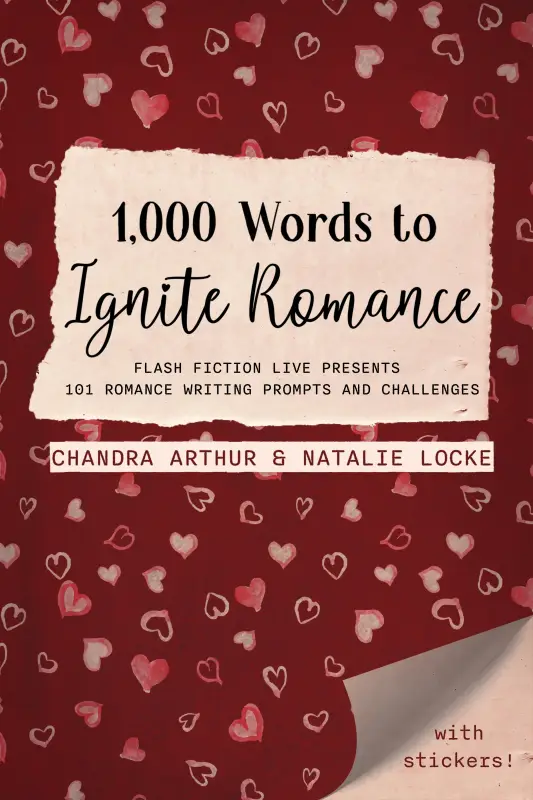
Is your favorite writing book on this list? Share what you love about your pick. If not, let us know what it is in the comments.
